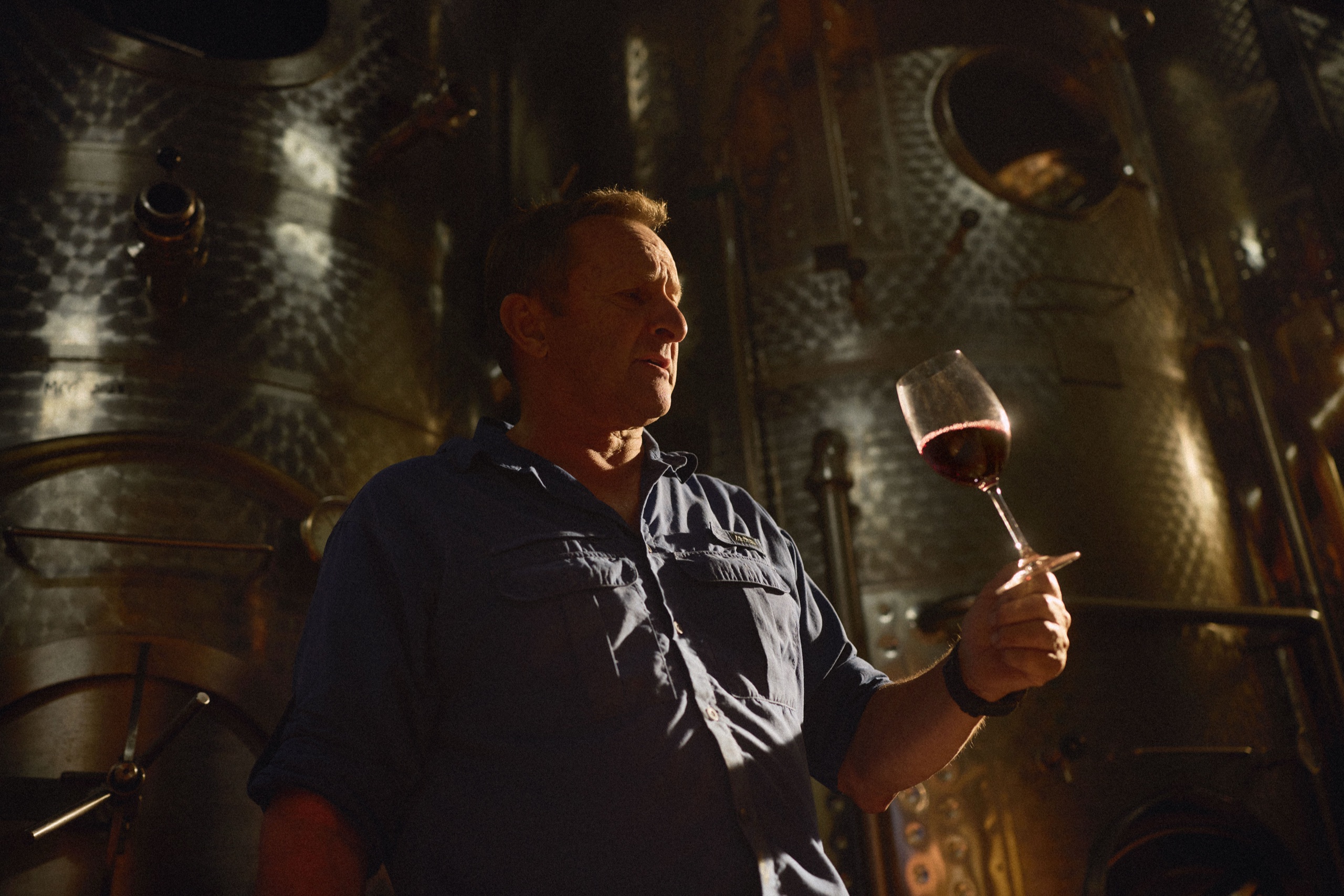
A good founder interview should not feel like a press release. It should uncover the decisions, obsessions, and personal history behind a place or object. For restaurants, wineries, hotels, artist studios, and craft-based businesses, the strongest answers usually come from simple questions asked with patience.
In New York City, where guests often discover a restaurant or studio online first, a founder interview can give the brand a human center. It can explain why the place exists, what the founder notices, and what kind of care sits behind the visible work.
Five essential founder interview questions
Here are the five questions we would start with.
1. What did you notice was missing before you started this?
This question gets to the reason the business exists. A restaurant might have been born from a missing kind of neighborhood space. A winemaker might be responding to a landscape. An artist might be answering a material problem. It helps reveal the founder's point of view.
2. What part of the work do people misunderstand?
Founders often carry invisible labor. Guests see the plate, the room, the finished object, or the final exhibition. They do not see the sourcing, testing, repair, rejection, repetition, or emotional risk. This question opens the door to a more honest story.
3. What do you refuse to compromise on?
Every serious business has non-negotiables. It might be ingredients, pacing, suppliers, handwork, hospitality, lighting, silence, or the way someone is greeted at the door. This question reveals values without asking the founder to state "brand values."
4. Where does your taste come from?
Taste is built from memory, place, training, family, travel, accidents, and repetition. This question works especially well for chefs, designers, makers, artists, and hospitality founders because it connects the visual world to a deeper personal history.
5. What do you hope people feel when they leave?
This is one of the most useful questions for hospitality and creative businesses. It shifts the conversation away from features and toward emotional impact. It also gives photographers and filmmakers a clear north star for the final edit.
Ten bonus questions for deeper interviews
6. What was the first detail you knew had to be here?
This helps identify the symbolic center of the project, whether it is a dish, a material, a chair, a wall color, a vineyard block, or a ritual.
7. What took longer than people would expect?
Time is often where the story is. The answer can reveal craft, difficulty, patience, and standards.
8. Who taught you how to see this work?
This brings mentors, influences, family, culture, and apprenticeship into the conversation without making the founder list credentials.
9. What does a good day here sound like?
Sound is a powerful way into atmosphere. For restaurants and studios, it can reveal pace, mood, service, tools, music, and human presence.
10. What do regulars or repeat customers understand that first-time visitors might miss?
This question gives insight into depth. It helps separate the surface impression from the lived experience of the place.
11. What is one small decision that changed everything?
Founders often remember turning points. This question can uncover a menu shift, a design choice, a hire, a supplier, or a quiet creative breakthrough.
12. What part of the process still makes you nervous?
Good interviews need vulnerability. This question keeps the conversation human and prevents the story from sounding too polished.
13. How do you know when something is finished?
This is especially strong for artists, chefs, winemakers, ceramicists, designers, and makers. It reveals judgment, discipline, and instinct.
14. What do you want people to remember six months from now?
This helps focus the story beyond launch buzz. It points toward lasting identity.
15. If this place or project had a rhythm, what would it be?
A slightly unusual question, but useful. It can reveal whether the brand is slow, precise, warm, wild, quiet, generous, formal, or improvised. Better questions make better brand films — they give the edit a real person to follow.